The Shop Guide to Customers Who Bring Their Own Parts
By Anthony Limpert, ASE Business Built With Master Automotive Technicians
One shop says no and loses the job at the counter. The other says yes, then eats the labor when the part dies. Both are guessing. A written policy beats them both.
A flat no or a loose yes. Both cost you. The no gives away a paying labor job. The loose yes leaves you holding the comeback, because a parts store warranty tends to stop at the part. O'Reilly's doesn't cover labor, towing or a rental car (Motor1, November 27, 2025). So write a policy with three lanes. Easy parts go in. Risky parts go in with conditions. Airbag parts never go in.
- It's your call. Some shops advertise yes, and some refuse every part.
- The part carries real margin. 61 percent of shops report 40 percent or better on parts (Ratchet+Wrench 2026).
- The comeback costs more. Motor Age puts it at three to five unbilled hours (Motor Age, May 29, 2026).
- Sort parts into three lanes and write them down.
- Quote both options side by side. Let the customer pick.
Why a Flat Yes and a Flat No Both Lose
Shops land on both ends. Tires Etc in Pennsylvania tells customers to bring the right part and pay only for labor (Tires Etc). A San Antonio shop is named Bring Your Own Parts and promises no markup on what you bring (Bring Your Own Parts).
Others refuse. Motor1 wrote up a shop owner who says he can't put his five year, 50,000 mile warranty behind a part he didn't supply. He compared it to bringing your own steak to a steakhouse (Motor1, March 30).
The customer isn't the bad guy here. Motor Age gives the usual case. A wheel bearing costs $42 online and the shop quotes $120. The customer sees a $78 markup. They don't see the sourcing, the warranty or the return trip when it's wrong (Motor Age).
Our own shop sits in the middle. Supercanic installs customer parts under written terms and can decline a part it finds unsafe (Supercanic terms, section 5). We counted the notes in our Shop Desk records in November 2026. 28 of 1,820 paid jobs say the customer had the part. That's about 1 job in 65. It's too rare to build a shop around, and too common to answer off the cuff.
What the Part Is Worth to Your Shop
Start with your own number. Most shops have one. The 2026 Ratchet+Wrench survey shows where gross margin on parts sales lands.
| Gross margin on parts | Share of shops |
|---|---|
| Under 30 percent | 10 percent |
| 30 to 39 percent | 22 percent |
| 40 to 49 percent | 24 percent |
| 50 to 59 percent | 27 percent |
| 60 percent or more | 10 percent |
| Does not track it | 7 percent |
Page 10 of the 2026 survey. Percentages as printed.
Parts are a big share of the ticket too. We pulled 50 paid jobs from our own records that had both parts and labor lines. Parts came to $13,224 and labor to $14,838. Parts were 47 percent of those tickets.
Now a worked example. You sell a part for $200 at a 45 percent margin. That's $90 of gross profit. The customer brings the part instead, so the $90 is gone. At a 65 percent labor margin, you'd need about $138 more in labor sales to replace it. At $150 an hour, that's close to one hour.
That doesn't mean you must charge an extra hour. It means you should know the gap before you say yes. Our guide on setting a labor rate from your costs gets you the real numbers for your shop.
The Comeback Is the Real Bill
Margin is the small problem. The bigger one starts when the customer's part fails. The seller may replace the part. The labor to swap it again is still open. Your customer thinks it's on you. The seller's warranty says it isn't on them.
Motor Age puts a customer part comeback at three to five unbillable hours (Motor Age). Same worked example, at $150 an hour. That's $450 to $750 of labor you didn't sell. It wipes out the gross on five to eight of those $200 parts.
Wrong parts burn time as well. Motor Age tells of a shop that spent 45 minutes proving an oxygen sensor was for the wrong engine. The customer came back three days later with the right one. Count those 45 minutes against the job.
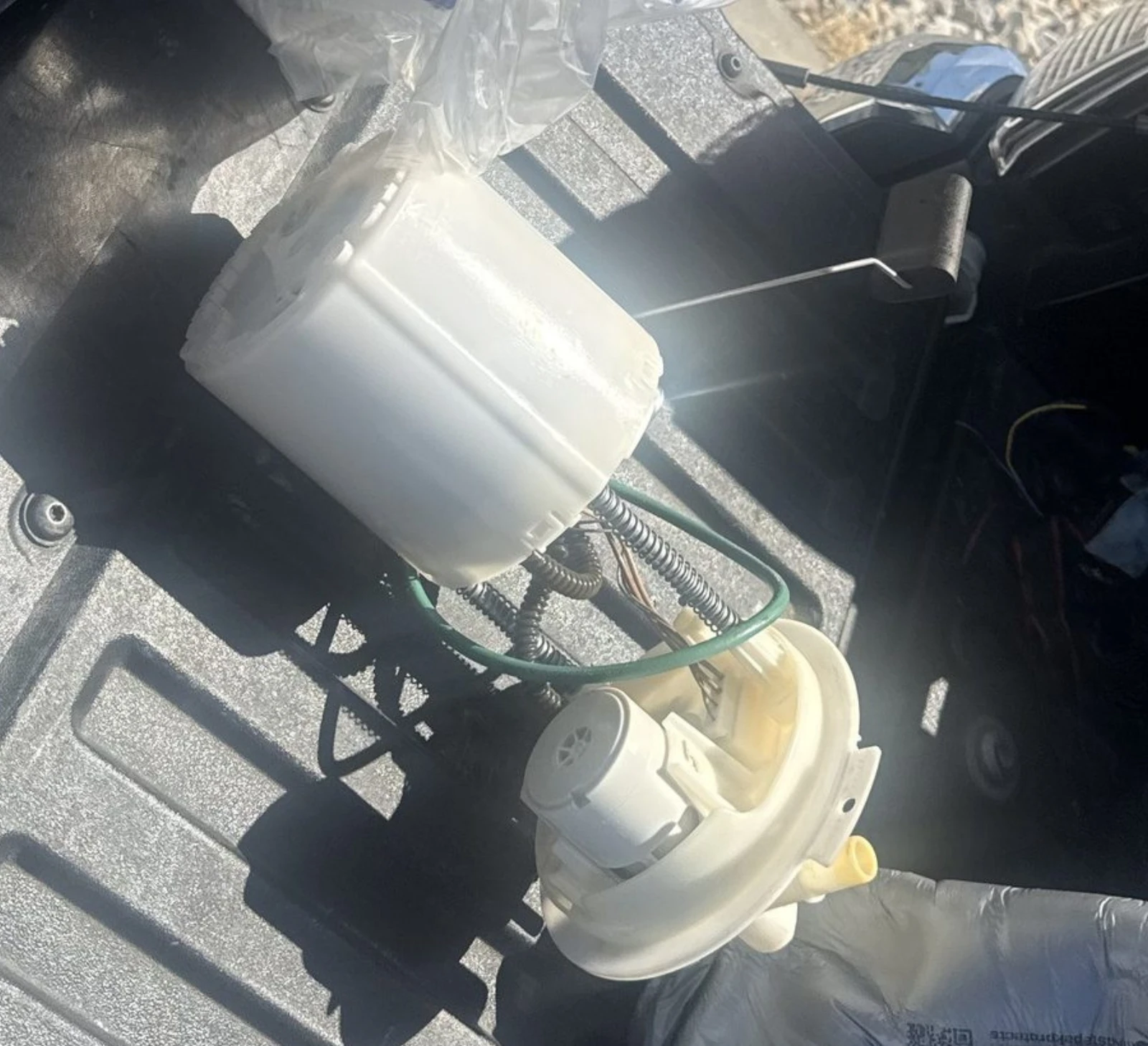
So decide who owns the delay. Supercanic's terms say it gives no warranty on customer parts. Its labor warranty doesn't cover failures caused by a defective customer part. If the part is wrong or bad, storage fees start the day the shop tells the customer (Supercanic terms). Our guide on the California mechanic's lien covers what happens when a car sits unpaid.
Sort Every Part Into Three Lanes
Our take. Yes or no is the wrong question. Ask which part it is, and what happens if it fails. Then put it in a lane before anyone calls.
| Lane | Parts | Your terms |
|---|---|---|
| Install | Filters, wiper blades, bulbs, spark plugs, a battery | Normal labor. The seller warrants the part. |
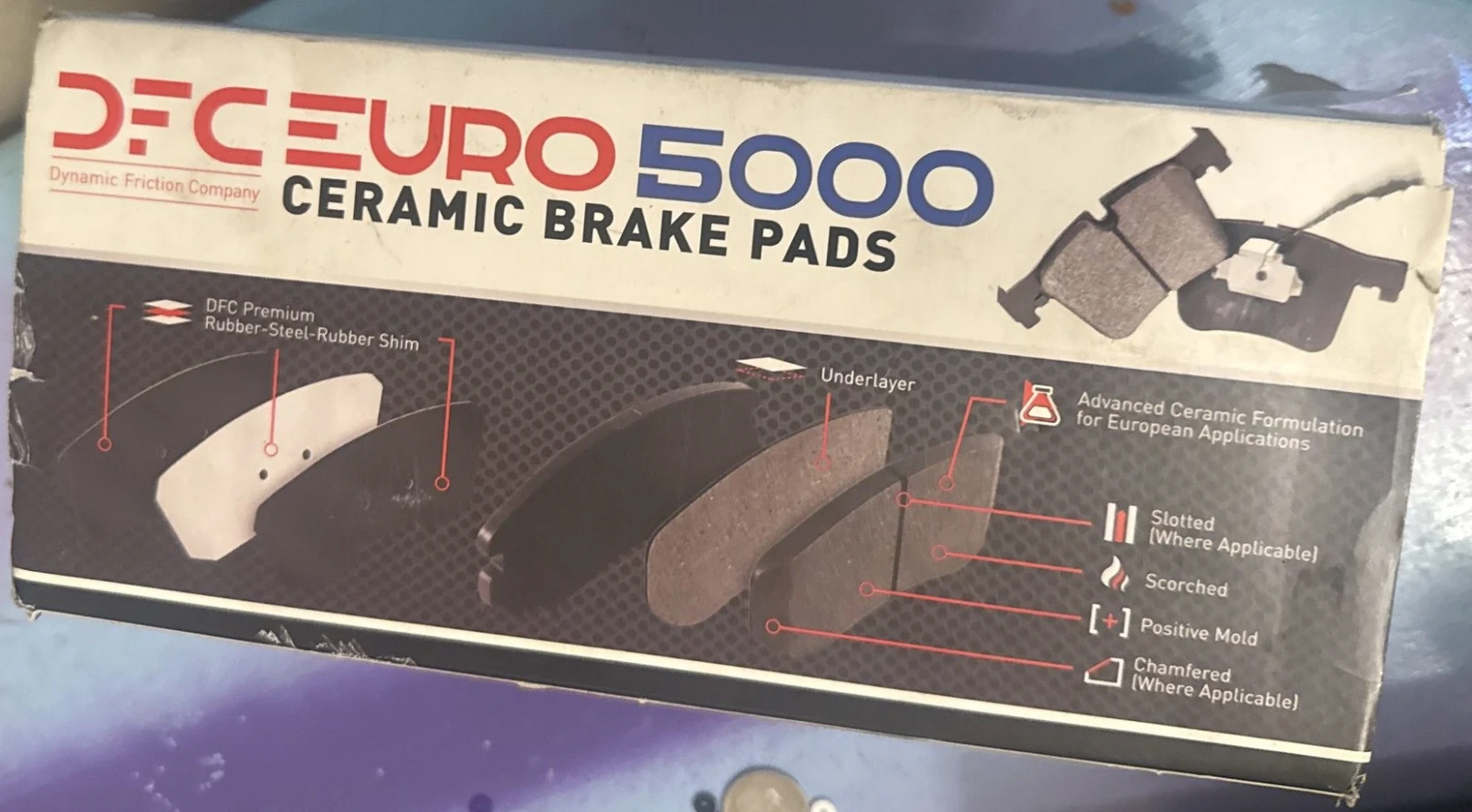
| Install with conditions | Sensors, pumps, alternators, starters, brake pads, rotors, wheel studs | New, boxed, with a part number. Fit check first. Signed form. No labor warranty if the part fails. |
| Decline | Airbag and seat belt parts. Anything with no box, no brand or no seller | Say no and say why. Offer to quote your part. |
Our own lanes, not a legal standard. Move parts between them to fit your shop and your insurance.
Airbags get their own lane for a reason. NHTSA opened an investigation into DTN air bag inflators on October 21, 2025. It listed eight crashes with ruptures, six drivers killed and two badly hurt. All eight inflators were replacements put in after an earlier crash. NHTSA estimated 10,000 of them and said they were potentially imported illegally (NHTSA EA25005).
NHTSA hasn't tied those cases to customers bringing parts. It doesn't need to for this rule. The same file says fake modules turned up on online marketplaces as far back as 2012. Hyundai's April 9, 2026 alert has dealers pull the module and compare its markings to known genuine specs (Hyundai alert). Nobody can do that from a box on the counter.
Quote It as Two Options
Bill Forrester wrote about this in AutoInc., the Automotive Service Association's magazine. He says the two usual answers, extra labor with no guarantee or a flat refusal, both leave the shop in a weak spot. His fix is two options side by side, and the customer chooses (AutoInc., February 24, 2020).
Numbers make that work. This one is a worked example, with a $40 fit check we made up to show the math.
| Line | Our part | Your part |
|---|---|---|
| Part | $200 | $120, paid to the seller |
| Fit check | Included | $40 |
| Labor, 1.5 hours at $150 | $225 | $225 |
| What the customer pays | $425 | $385 |
| Part warranty | Ours | The seller's |
| If the part fails | We replace it under our warranty | New labor bill to swap it |
Worked example only. Use your own prices and your own warranty terms.
Look at the gap. The part looked $80 cheaper. The real saving is $40, and it costs the labor coverage. Some customers will pay $40 to keep it. Some won't. You got paid for the labor either way.
If you charge more labor on customer parts, post it plainly. Forrester warns that some shops will need new labor rate signs to meet local laws (AutoInc.). And raise the policy when you book the job, not at drop-off, as Motor Age advises.
On the phone, keep it short.
- Yes, we can look at putting your part in.
- What's the part number, and where did you buy it?
- We check the fit first. That's a small charge.
- We warrant our part and labor. We can't warrant your part.
- I'll text you both prices so you can pick.
Put It on Paper Before the Car Goes Up
Motor Age lists the records to keep. Write the brand, part number and box condition on the repair order. Photograph the part and box before install. Log any worry the tech has. Get a signed form that says the labor warranty doesn't cover the part (Motor Age).
Don't lean too hard on that form. Motor Age says courts have found shops have a duty to refuse unsafe parts, though it names no case. A Globe and Mail columnist says most Canadian consumer laws require a 90 day parts and labor warranty even on a customer's part, and he cites no statute (Globe and Mail, October 2, 2021). Treat both as reasons to call your own lawyer. Have one read your form for your state.
Call your insurance agent too. Motor Age says some garage liability policies carry an exclusion for these jobs. Ask for the answer in writing, before the first one.
California shops have one more step. The Bureau of Automotive Repair says the invoice must itemize each part supplied and say if it's new, used, rebuilt or reconditioned. A change in parts needs the customer's approval first (BAR Write It Right, updated January 2026). BAR's guide doesn't spell out customer parts, so we use our own habit. List the part as a no charge line. Add the part number and the words customer supplied. Write the condition as the customer stated it.
The Next Step
Shop Desk is the software our own shop runs on. The free plan covers quotes and signed approvals, so every job has a record before work starts. It's free to start with no card. See Shop Desk for auto repair, see the free plan, or read our guide on charging a diagnostic fee customers will pay.
Questions We Get on the Phone
Can I bring my own parts to a mechanic?
Often yes, but it's up to the shop. Some advertise it and charge labor only. Others refuse. Ask before you buy the part, and ask what warranty you get on the labor.
Will mechanics install my parts?
Many will if the part is new, boxed and correct for the car. Expect a fit check, a signed form and no labor warranty if the part fails. Airbag parts are a common no.
Why do shops refuse customer parts?
Three reasons. They lose the margin on the part. They can't vouch for where it came from. And when it fails, the customer tends to expect free labor from the shop.
Should a shop charge more to install a customer's part?
Many shops do, by a higher labor rate or a check fee. Work out the gross profit you lose on the part, then decide. If you charge more, say so before the job and show it on the estimate.
Who pays the labor if a customer's part fails?
Whoever your paperwork says. Parts store warranties tend to cover the part, not the labor. O'Reilly's excludes labor, towing and rental cars, per Motor1. So the customer pays unless your terms say otherwise.
Does a waiver protect a shop that installs customer parts?
It helps, but it isn't a shield. A waiver may not cover unsafe work, and local law can limit it. Have a lawyer in your state read it, and ask your insurance agent how your policy treats these jobs.
Fact Sources
| What we cited | Where it came from |
|---|---|
| Motor Age, The Customer-Supplied Parts Dilemma, Noah Nelson, May 29, 2026 | vehicleservicepros.com, opened November 2026 |
| AutoInc., Automotive Service Association, It's in the Presentation, Bill Forrester, February 24, 2020 | autoinc.org, opened November 2026 |
| 2026 Ratchet+Wrench Industry Survey, gross margin on parts sales, page 10 | img.ratchetandwrench.com, opened November 2026 |
| Motor1, O'Reilly starter warranty dispute and policy terms, November 27, 2025 | motor1.com, opened November 2026 |
| Motor1, shop owner on marking up parts and refusing customer parts, March 30 | motor1.com, opened November 2026 |
| NHTSA Office of Defects Investigation, EA25005 opening resume, DTN air bag inflators, October 21, 2025 | static.nhtsa.gov, opened November 2026 |
| Hyundai Motor America alert on counterfeit DTN inflators, April 9, 2026, on file with NHTSA | static.nhtsa.gov, opened November 2026 |
| California Bureau of Automotive Repair, Write It Right, updated January 2026 | bar.ca.gov, opened November 2026 |
| The Globe and Mail, Why many auto shops won't install customer supplied parts, Lou Trottier, October 2, 2021 | theglobeandmail.com, opened November 2026 |
| Tires Etc, Bring Your Own Parts service page | tiresetc.com, opened November 2026 |
| Bring Your Own Parts, San Antonio shop home page | bringyourownparts.com, opened November 2026 |
| Supercanic Terms and Conditions, section 5, Customer-Supplied Parts | supercanic.com, opened November 2026 |
Anthony Limpert is the co-founder and lead technician at Supercanic. Shop Desk is the software our own shop runs on, and he built it.
Free plan, not a trial. No card. Your desk opens the minute you sign up.
Ask a Mechanic Who Uses It
Not ready to sign up? Tell us how your shop runs and what your software gets wrong today. One of us will call you back, and we will tell you straight if Shop Desk is not the right fit.
- A person reads it, usually the same day
- No sales sequence and no drip emails
- We run our own shop on this software
Rather email? Write to hello@yourshopdesk.com