A Shop Can't Charge for Repairs Nobody Approved. How to Get a Yes That Holds Up
By Anthony Limpert, ASE Business Built With Master Automotive Technicians
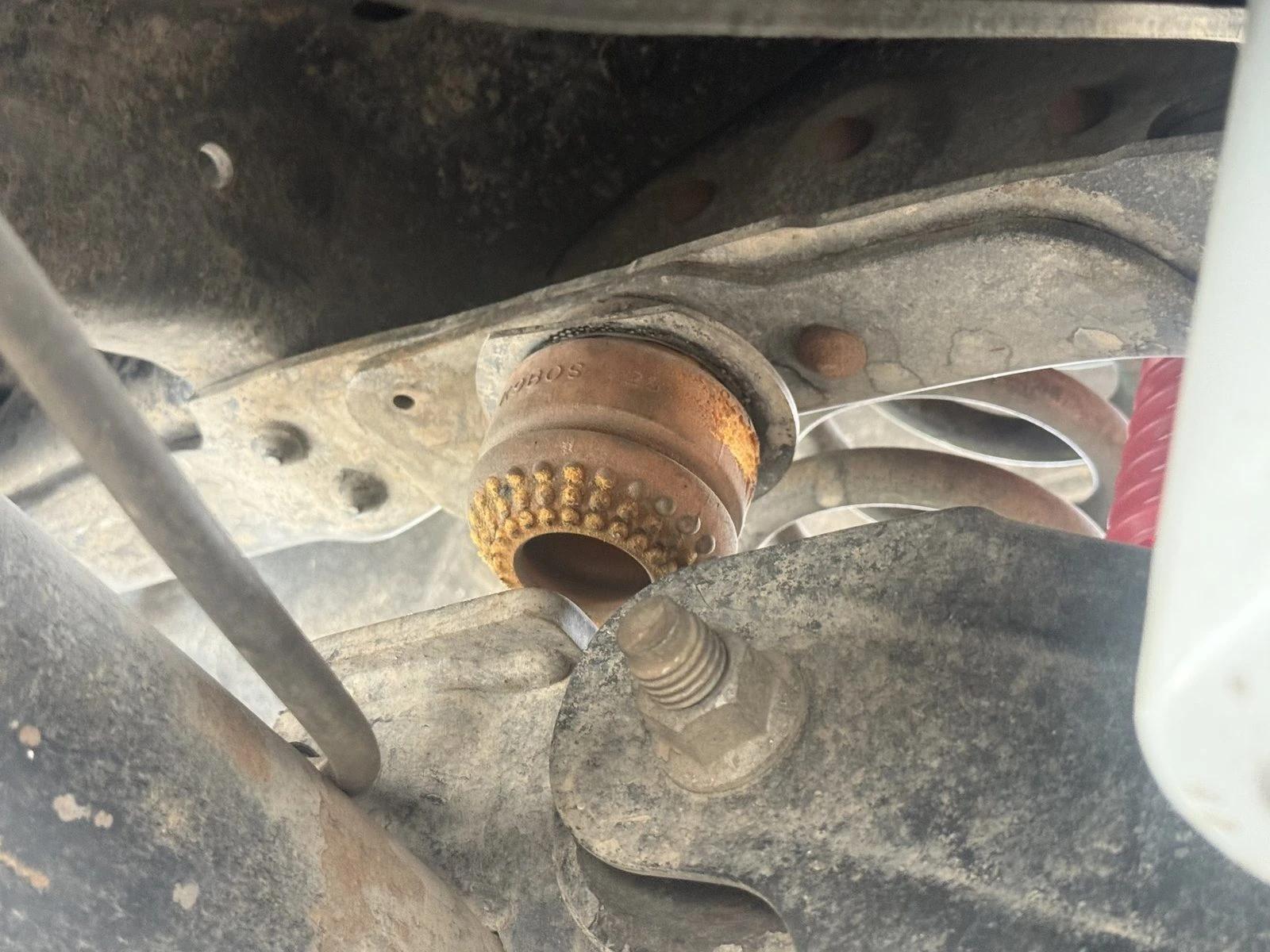
Two shops find a bad mount mid-job. One calls, hears sure, and keeps going. The other writes down who said yes, when, at what number and for how much. Only the second one has proof when the bill gets disputed.
A quick sure on the phone or a yes on the record. Both feel the same at the time. Only one survives a dispute. In California, no work is done and no charges accrue until the customer authorizes it (Cal. Bus. & Prof. Code 9884.9). Ohio bars charging for repairs the customer didn't authorize (Ohio Adm. Code 109:4-3-13). So get the yes before the wrench turns. Write down who gave it. Do it again for every dollar you add.
- Most state repair laws say the same thing in different words. No approval, no charge.
- The cushion over the estimate changes by state. It's zero in California and $10 in Massachusetts.
- A phone yes counts in many states, but only with a record. California wants date, time, name and number.
- A note left with the keys isn't approval. California's repair bureau says call first.
- Text a link the customer can approve. It writes the record for you.
What the Law Says About Work Nobody Approved
Shops get this question from the other side of the counter. A customer searches whether a mechanic can fix a car without permission. The answer they find decides if they pay your bill.
California is the strictest. The shop gives a written price for parts and labor first. Nothing gets charged past that price without consent. That consent has to come after you learn the estimate is short, and before you do the extra work (Cal. Bus. & Prof. Code 9884.9).
Massachusetts goes further on paper. Charging for repairs without the required authorization is an unfair or deceptive practice there (940 CMR 5.05). So is charging for work that wasn't done.
Customers do complain. In the Consumer Federation of America's survey of state and local agencies, auto issues topped the complaint list for the ninth year in a row. That covered sales, leases and repair shops. The agencies handled over 350,000 complaints in 2024 (CFA 2024 Consumer Complaint Survey).
Seven States, Seven Rules
Every state words it a little differently. The gap is in three places. When you owe a written estimate. How far the bill can go past it. And what a phone yes has to look like on paper.
| State | Written estimate | Over the estimate without a new yes | What a phone yes needs on paper |
|---|---|---|---|
| California | Before any work, parts and labor | Nothing | Date, time, name, number called, added parts and labor, new total |
| Florida | Over $150, diagnosis included, unless the customer waives it | Up to the limit the customer sets on the form | The law doesn't spell it out |
| Michigan | Before work, itemized, diagnosis cost included | 10 percent or $50, whichever is less | The law doesn't spell it out |
| Washington | Before work, or the customer picks from set options | Up to 110 percent of the estimate, before tax | Date, time, added work and cost, employee name or ID, approver's name and number |
| Ohio | Over $50, the customer picks written, oral or none | 10 percent | The rule doesn't spell it out |
| Massachusetts | Signed authorization with the repairs and total price | $10 | Date, time, employee, person approving, exact approval, number called |
| New York | In writing when the customer asks | Nothing | The statute doesn't spell it out. Every job gets an invoice |
Built from each state's own code, linked in Fact Sources. Laws change, and local rules can add more. Check your state before you rely on it.
Look at Michigan's cushion as a worked example. On a $400 estimate, 10 percent is $40. That's less than $50, so $40 is your room (MCL 257.1332). On an $800 estimate, 10 percent is $80. Now $50 is the smaller one, so $50 is your room.
Florida lets the customer set the line. The disclosure form gives them a choice. They can ask for a written estimate, cap the job at a dollar amount, or skip the estimate. A shop can't pass that cap without the customer's written or oral approval (Fla. Stat. 559.905).
Our take. Don't build your process on the cushion. A 10 percent cushion is a legal floor, not a plan. The customer still feels ambushed by a bill that grew while they weren't looking. Call on every added dollar, even where the law gives you room.
The After Hours Drop-Off Trap
A car shows up at 7 a.m. with the keys in the drop box. The note says fix the brakes. Your tech has a free bay. It's tempting to start.
Don't. California's Bureau of Automotive Repair says a note left with the car doesn't count as authorization. The shop has to reach the customer and get approval first (BAR Write It Right).
Other states treat it differently. In Florida, leaving the car while the shop is closed implies a partial waiver of the written estimate. The shop still has to notify the customer once diagnosis is done (Fla. Stat. 559.905). Washington has its own drop-off record. It notes the date and time, the total authorized, the employee and the person approving (RCW 46.71.025).
The safe habit works in all of them. Diagnose if the note allows it. Then call or text the price before any repair starts.
Recording a Phone Yes So It Holds Up
Phone approvals are where shops lose arguments. Nobody wrote it down, or the tech wrote sure on a sticky note. California spells out the record. Note the date, time, the name of the person who said yes and the number you called. List the added parts and labor and the new total (Cal. Bus. & Prof. Code 9884.9).
Then it has to reach the invoice. Either the details go on the invoice, or the customer signs or initials an acknowledgment when they pick up. That line reads that they acknowledge notice and oral approval of an increase (Cal. Bus. & Prof. Code 9884.9).
The same record works in every state on the table. Use it on every call.
- Date and time of the call
- Who said yes, by full name, and how they're tied to the car
- The number you called
- What you're adding, parts and labor, line by line
- The old total and the new total
- Who at the shop made the call
- Read the new total back before you hang up
Watch who's giving the yes. In California, a customer can name someone else to approve added charges. It has to be in writing, when they sign the first authorization. That person can't be the shop or an insurer on the claim (Cal. Bus. & Prof. Code 9884.9). A spouse who answers the phone isn't automatically that person.
What Our Own Approvals Show
We pulled every approval our own shop, Supercanic, logged in Shop Desk from August 6 to November 10, 2026. That's 400 approvals.
| How the customer said yes | Approvals | Share |
|---|---|---|
| A link we sent by text or email | 334 | 84 percent |
| By phone | 63 | 16 percent |
| In person | 3 | 1 percent |
Supercanic approvals in Shop Desk, August 6 to November 10, 2026. Shares rounded.
Most customers approve by link. They read the lines, tap yes, and the system stamps the time. The record writes itself.
Phone is where the record goes thin. Of our 63 phone approvals, 20 have both the approver's name and the number called filled in. The other 43 still have a yes logged. They're missing a piece California asks for. That's on us, and it's why we push the link.
Added work is less common than shops fear. 24 of the 400 were a revised or added approval on a job already underway. The median increase was $150. The average was $308, pulled up by a few big jobs.
What to Say When You Find More
Keep the call short. Give the number and the reason. Let them say no.
- We found something while we were in there.
- Your mount is cracked through. I can send you a photo.
- It adds $150. Your new total is $640.
- Do you want us to do it today, or leave it?
- I'm texting you the updated quote to approve.
The dollar figures above are a worked example. Use your own. If they say no, write that down too. A declined line protects you if the part fails later.
For the money side of a dispute, see our guide on what happens when a customer wants money back. If a car sits unpaid, read how the California mechanic's lien works.
The Next Step
Shop Desk is the software our own shop runs on. It texts the customer the quote with a link to approve it, and keeps the yes on the job. The free plan covers quotes and signed approvals. See Shop Desk for auto repair, or start on the free plan.
Questions We Get on the Phone
Is it illegal for a mechanic to fix your car without permission?
In many states the shop can't charge for it. California says no work and no charges before the customer authorizes it. Ohio bars charging for repairs the customer didn't authorize. Massachusetts calls it an unfair or deceptive practice.
Do I have to pay for repairs I didn't authorize?
Often not. In states like California and New York, a shop can't charge past the estimate without your consent. Ask the shop to show the approval record. Then contact your state's consumer agency or repair bureau if it's missing.
Can a mechanic charge more than the estimate?
Only within the state's limit, or with a new yes. Michigan allows 10 percent or $50, whichever is less. Washington allows up to 110 percent before tax. Massachusetts allows $10. California allows nothing over the estimate without consent.
Does a phone call count as authorization for car repairs?
In many states, yes, if the shop records it. California wants the date, time, name, number called, the added work and the new total on the work order. Washington and Massachusetts want a similar record.
Can a shop start work if I leave a note with my keys?
Not in California. The repair bureau says the note doesn't count, and the shop must reach you first. Florida treats an after hours drop-off as a partial waiver of the written estimate, but the shop still has to call after diagnosis.
Fact Sources
| What we cited | Where it came from |
|---|---|
| California Business and Professions Code 9884.9, written estimates and consent, on FindLaw | codes.findlaw.com, opened November 2026 |
| California Bureau of Automotive Repair, Write It Right, updated January 2026 | bar.ca.gov, opened November 2026 |
| Florida Statutes 559.905, written repair estimates | leg.state.fl.us, opened November 2026 |
| Michigan Compiled Laws 257.1332, Motor Vehicle Service and Repair Act | legislature.mi.gov, opened November 2026 |
| Revised Code of Washington 46.71.025, estimates and authorization | app.leg.wa.gov, opened November 2026 |
| Ohio Administrative Code 109:4-3-13, motor vehicle repairs or services | codes.ohio.gov, opened November 2026 |
| Massachusetts 940 CMR 5.05, motor vehicle repairs, on Cornell LII | law.cornell.edu, opened November 2026 |
| New York Vehicle and Traffic Law 398-d, repair shop records and estimates | nysenate.gov, opened November 2026 |
| Consumer Federation of America, 2024 Consumer Complaint Survey Report, June 2025 | consumerfed.org, opened November 2026 |
Anthony Limpert is the co-founder and lead technician at Supercanic. Shop Desk is the software our own shop runs on, and he built it.
Free plan, not a trial. No card. Your desk opens the minute you sign up.
Ask a Mechanic Who Uses It
Not ready to sign up? Tell us how your shop runs and what your software gets wrong today. One of us will call you back, and we will tell you straight if Shop Desk is not the right fit.
- A person reads it, usually the same day
- No sales sequence and no drip emails
- We run our own shop on this software
Rather email? Write to hello@yourshopdesk.com