Independent Repair Won't Void a Car Warranty. How Your Shop Proves It
By Anthony Limpert, ASE Business Built With Master Automotive Technicians
One service writer says sure, we can do it, and hopes. The other says federal law covers you, then hands over an invoice that proves it. Same oil change. Only one keeps the car coming back.
Hoping or proving. Both shops do the same work. The second one wins the customer. Under federal law, a maker can't make a warranty depend on using its own dealer or its own parts, unless it gives that part or service free (15 U.S.C. 2302(c)). The FTC says it's illegal for a dealer to deny coverage just because someone else did the routine work (FTC). A bad repair can still cost the customer coverage on the part it damaged. So the shop's job is clean work and a clean paper trail.
- Independent shops can do routine maintenance and repairs on a car under warranty.
- The maker can only require its own shop or parts when it gives them free.
- If a dealer denies a claim, the FTC says it must prove the part or repair caused the damage.
- Free warranty repairs still go to the dealer. Send them there and keep the car for everything else.
- Your invoice is the customer's proof. Write it so it holds up.
What the Law Says, in Plain Words
The law is the Magnuson-Moss Warranty Act. Section 2302(c) bars a warrantor from tying a warranty to a brand name part or service. There's one way out. The FTC can grant a waiver if the maker proves the product only works right with its own part, and the waiver is in the public interest (15 U.S.C. 2302(c)).
The FTC's consumer page puts it simply. Customers don't have to use the dealer to keep the warranty. The warranty stays in effect with aftermarket or recycled parts. If a maker or dealer blames an aftermarket part, it must prove that part caused the damage (FTC).
The FTC has gone after companies that said otherwise. In July 2022 it said Harley-Davidson, the maker of Westinghouse generators, and Weber grills broke the law. Each had told customers that outside parts or repairs would void the warranty. The proposed orders require them to fix their warranty wording and tell their customers (FTC, July 7, 2022).
None of those were car makers. The rule is the same for cars. The FTC's business blog says companies generally can't deny coverage just because someone used another maker's part or an outside shop (FTC Business Blog, March 18, 2019).
Where the Rule Stops
Shops lose trust when they oversell this. The law doesn't say a car can be fixed anywhere with no risk. Three limits matter at the counter.
- Free warranty work goes where the maker says. If the warranty covers a repair for free, the maker can require its own shop and parts (FTC).
- Damage from a bad part or a bad install isn't covered. The FTC says the maker can deny that damaged part and bill the owner (FTC). The rest of the car stays covered.
- Service contracts play by their own rules. An extended warranty sold as a service contract may require the maker's maintenance schedule. Skipping it might void the contract (FTC).
That second limit is why your work has to be right. The car you touch carries your name into the dealer's service lane. If your tech misses a torque spec, the dealer has a reason to say no.
Our take. Most shops say "we won't void your warranty" and stop there. That line is true but thin. The stronger line says what you'll do. Use the right parts and fluids, write them down, and send free warranty repairs to the dealer.
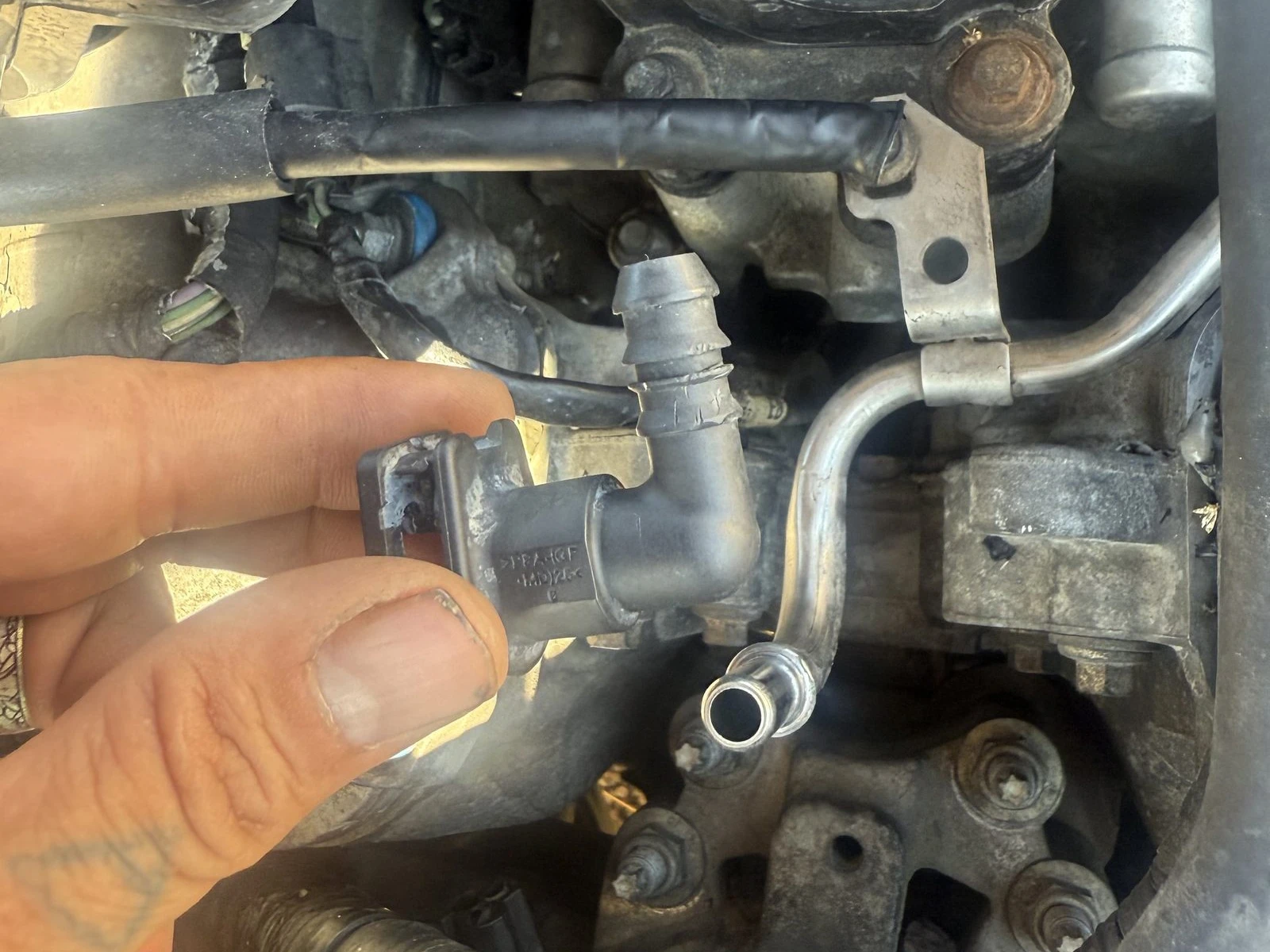
The Emissions Warranty Most Shops Forget
There's a second warranty on every new car. It's the emissions warranty, and it runs longer than many owners know. Federal law covers emissions parts for 2 years or 24,000 miles. A catalytic converter, the emissions computer and the onboard diagnostic device get 8 years or 80,000 miles (42 U.S.C. 7541(i)).
The same law speaks to shops directly. The maker's maintenance notes must say emissions maintenance and repair may be done by any repair shop or person, using certified parts (42 U.S.C. 7541(c)(3)).
California adds more. The state's defects and performance warranty covers all emissions related parts for 3 years or 50,000 miles. High cost emissions parts listed in the owner's manual get 7 years or 70,000 miles (California Air Resources Board, March 2026).
Emissions Warranty Clocks on a Gas Car
- 2 yr / 24kFederal basicAny part that causes an emissions failure.
- 3 yr / 50kCalifornia all partsAll emissions related parts.
- 7 yr / 70kCalifornia high costHigh cost parts listed in the owner's manual.
- 8 yr / 80kFederal extendedCatalytic converter, emissions computer and OBD device.
- 15 yr / 150kCalifornia PZEV or TZEVAll emissions parts on those cars, except the battery.
Why should a shop care? Because a check engine light on a 5 year old car with 60,000 miles may be a free fix. If it's a catalytic converter, it may still be under the federal 8 year clock. Telling the customer that costs you one job. It wins you the next ten.
Write the Invoice So It Holds Up
The FTC tells owners to keep records of oil changes, tire rotations, belts, brake pads and inspections. It warns that a claim might be denied without them (FTC). Your invoice is that record. Make it one a dealer can't argue with.
In California, the invoice already has rules. The Bureau of Automotive Repair says it must list each part and say if it's new, used, rebuilt or reconditioned. The work order must carry the odometer reading. Shops keep records at least three years (BAR Write It Right, updated January 2026).
| Put this on the invoice | Why it matters on a warranty claim |
|---|---|
| Date and odometer | Shows the service fell inside the maker's schedule. |
| Oil grade and the spec it meets | Matches what the owner's manual calls for. |
| Part brand and number | Answers "what part was that" in one look. |
| New, used, rebuilt or reconditioned | Required on a California invoice anyway. |
| What the tech checked and found | Shows the car was looked over, not just drained. |
| A copy to the customer, every time | The owner holds the proof, not just you. |
Our own checklist for shops. The BAR rules apply to California shops. The rest is good practice anywhere.
One more habit pays off. Take a photo of the part and the reading when it matters. Our guide on answering pads or rotors on the estimate shows how a photo turns a doubt into a yes.
What to Say When They Ask on the Phone
Newer cars are already leaving the dealer. Cox Automotive found 54 percent of owners of 0 to 2 year old cars went back to the selling dealer for service in 2025. That was down from 72 percent in 2023 (Cox Automotive, November 11, 2025). Many of the rest are calling you, and the warranty is their first worry.
Keep the answer short. Say what you'll do, not just what the law says.
- Yes, we can service it. Federal law protects your warranty.
- We use parts and fluids that meet your car's spec.
- You'll get an invoice with the date, mileage and parts on it.
- If something is a free warranty fix, we'll tell you to take it to the dealer.
- Want me to get you on the schedule?
That fourth line does the most work. A shop that sends a free fix back to the dealer sounds like a shop with nothing to hide.
If a customer says a dealer already denied a claim, don't argue for them. Point them to the FTC page. It says to start with the dealer and the contract company, then report it to the state attorney general or the FTC (FTC). Our guide on what happens when a repair doesn't fix the car covers the other side of that talk.
The Next Step
Shop Desk is the software our own shop runs on. The free plan covers quotes and signed approvals, so every job has a record before work starts. It's free to start with no card. See Shop Desk for auto repair, see the free plan, or read our guide on the 20,000 mile oil change question.
Questions We Get on the Phone
Can independent mechanics do warranty work?
They can do routine maintenance and repairs without voiding the warranty. Repairs the warranty covers for free are another story. The FTC says the maker can require its own shop and parts for those, so that work goes to the dealer.
Do I need to service my car at the dealership I bought it from?
No. The FTC says you don't have to use the dealer for repairs or maintenance to keep the warranty. Keep every receipt and follow the maker's schedule.
Does servicing your own vehicle void your warranty?
Not by itself. Federal law bars a maker from tying the warranty to its own service unless that service is free. If your own work damages a part, the maker can deny coverage on that part.
Do aftermarket parts void a car warranty?
No. The FTC says the warranty stays in effect with aftermarket or recycled parts. If a dealer blames the part for damage, the dealer has to prove it.
How long is the emissions warranty on a car?
Federal law covers emissions parts for 2 years or 24,000 miles, and the catalytic converter, emissions computer and OBD device for 8 years or 80,000 miles. California adds 3 years or 50,000 miles on all emissions parts and 7 years or 70,000 on high cost parts.
Can an extended warranty require dealer service?
Most extended car warranties are service contracts, not warranties. The FTC says a service contract may require the maker's maintenance schedule, and skipping it might void the contract. Read the contract before you book.
Fact Sources
| What we cited | Where it came from |
|---|---|
| 15 U.S.C. 2302(c), Magnuson-Moss Warranty Act, no tying to brand name parts or service | law.cornell.edu, opened November 2026 |
| Federal Trade Commission, Auto Warranties and Auto Service Contracts, April 2024 | consumer.ftc.gov, opened November 2026 |
| Federal Trade Commission, consumer alert on Harley-Davidson, Westinghouse and Weber warranty orders, July 7, 2022 | consumer.ftc.gov, opened November 2026 |
| Federal Trade Commission Business Blog, Nixing the Fix, Lesley Fair, March 18, 2019 | ftc.gov, opened November 2026 |
| 42 U.S.C. 7541, Clean Air Act emissions warranty periods and repair shop notice | law.cornell.edu, opened November 2026 |
| California Air Resources Board, California Vehicle and Emissions Warranty Periods, March 2026 | ww2.arb.ca.gov, opened November 2026 |
| California Bureau of Automotive Repair, Write It Right, updated January 2026 | bar.ca.gov, opened November 2026 |
| Cox Automotive, Service Industry Study release, 1,974 owners surveyed April and May 2025 | coxautoinc.com, opened November 2026 |
Anthony Limpert is the co-founder and lead technician at Supercanic. Shop Desk is the software our own shop runs on, and he built it.
Free plan, not a trial. No card. Your desk opens the minute you sign up.
Ask a Mechanic Who Uses It
Not ready to sign up? Tell us how your shop runs and what your software gets wrong today. One of us will call you back, and we will tell you straight if Shop Desk is not the right fit.
- A person reads it, usually the same day
- No sales sequence and no drip emails
- We run our own shop on this software
Rather email? Write to hello@yourshopdesk.com